
A New Chapter Begins: Marriage-Based Green Card Approved in Approximately Three Months
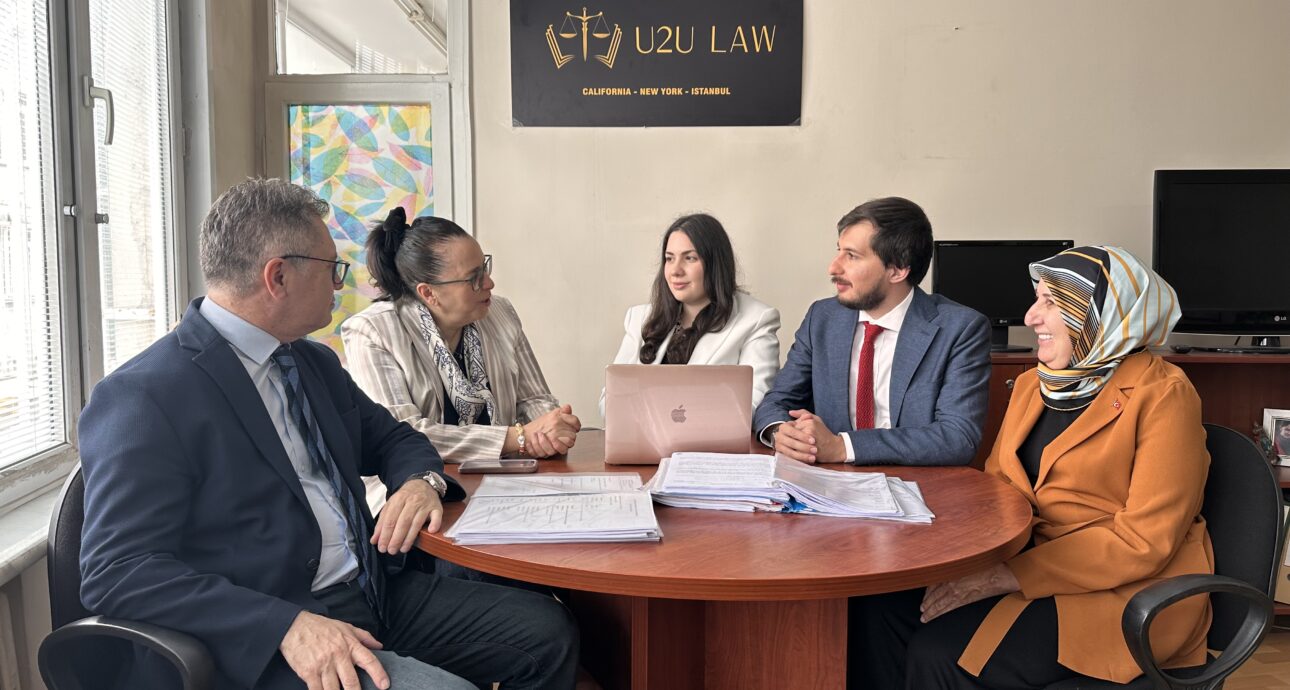
Green card approval through marriage can feel overwhelming when a couple must coordinate forms, financial records, civil documents, and personal evidence. In this case, U2U Law prepared a carefully organized filing that helped our client receive permanent residence in approximately three months.
Practice Area: Family-Based Immigration – Marriage-Based Green Card
Location: United States
Green Card Approval Built on Careful Preparation
Our client sought lawful permanent residence through marriage and wanted the process handled efficiently without sacrificing accuracy. A marriage-based filing is deeply personal, but it is also a document-intensive legal matter. Even when the relationship is genuine, the submission must present accurate forms, consistent answers, qualifying financial documentation, civil records, and credible evidence that the marriage was entered into in good faith.
The couple also wanted a clear understanding of each procedural stage. Our immigration team therefore created an organized plan, explained what the government would review, and identified the documents needed before the petition was assembled.
The Challenge: Preventing Avoidable Delays
The client wanted to avoid preventable delays while ensuring the filing accurately reflected the couple’s history and circumstances. A missing document, inconsistent date, incomplete answer, or poorly organized exhibit can create uncertainty and may lead to additional agency questions.
The objective was not simply to submit the forms quickly. It was to build a complete and credible filing from the beginning so the reviewing officer could understand the couple’s eligibility and relationship history without unnecessary confusion.
U2U Law’s Marriage-Based Immigration Strategy
Our immigration team guided the couple through the process and prepared the petition methodically. Our work included:
- Reviewing the client’s immigration history and the couple’s eligibility.
- Explaining the required forms, supporting records, and procedural stages in plain language.
- Collecting and organizing civil, identity, relationship, and financial evidence.
- Checking dates and answers for consistency across the forms and supporting documents.
- Structuring the bona fide marriage evidence so the history of the relationship could be understood clearly.
- Preparing a well-indexed petition package with close attention to completeness and presentation.
- Monitoring the matter after filing and keeping the client informed as the case progressed.
By performing the detailed work before submission, our team helped create a marriage-based green card approval filing that was organized, credible, and ready for agency review.
The Result: Approval in Approximately Three Months
The client’s marriage-based green card was approved in approximately three months. The approval allowed the couple to move forward with greater stability and confidence and begin a new chapter in their lives together.
Processing time is controlled by the government and varies in every matter. This result does not mean that another case will be decided within the same period. Current procedures, forms, and general eligibility information are available from the U.S. Citizenship and Immigration Services.
Why This Marriage-Based Green Card Approval Matters
A strong green card approval petition is more than a collection of forms. It should tell a consistent, well-supported story through documentary evidence while satisfying the government’s legal and procedural requirements. Careful preparation at the outset can reduce avoidable complications and help a case move as efficiently as the agency’s workload and review process permit.
This green card approval result, completed in approximately three months, also illustrates the value of preparing the relationship evidence and financial materials as one coordinated filing rather than treating each form as an isolated document. U2U Law applies the same disciplined approach to every family-based immigration matter while tailoring the evidence to the individual couple.
What Evidence Supported the Green Card Approval Filing?
A well-prepared marriage case ordinarily includes more than a marriage certificate. The filing should help the reviewing officer understand how the relationship developed and how the spouses share their lives. Depending on the couple’s circumstances, useful records may include a joint lease or deed, joint bank or credit-card statements, insurance policies, tax records, photographs from different periods, travel records, correspondence, affidavits, and evidence of shared responsibilities.
Not every couple will have the same documents. Newly married spouses may have fewer joint financial records, while couples who have lived together for years may have a longer documentary history. Our role is to identify the strongest available evidence, explain any reasonable gaps, and organize the submission so it reflects the couple’s authentic circumstances.
Financial Sponsorship in a Green Card Approval Case
A green card approval filing through marriage also requires careful attention to financial sponsorship. The petitioner generally must submit an affidavit of support with appropriate income and tax documentation. When household income is insufficient, the case may require assets, a qualifying household member, or a joint sponsor. Financial documents should match the information stated on the forms and should be current when filed.
Consistency is equally important. Names, addresses, employment histories, travel dates, prior marriages, immigration entries, and other biographical details can appear on multiple forms. Our team cross-checks those answers because a minor inconsistency can create questions even when the underlying case is legitimate.
Preparing for a Green Card Approval Interview
During the green card approval process, some applicants are scheduled for an interview before a decision. Preparation does not mean memorizing answers. It means understanding the filed materials, reviewing important dates, gathering updated relationship evidence, and being ready to answer truthfully and naturally. Couples should promptly disclose any change in address, employment, household composition, or immigration history so counsel can evaluate whether updated documentation is needed.
U2U Law helps clients understand the purpose of the interview, the types of documents they may need to bring, and the importance of answering only the question asked. When representation at an interview is permitted and appropriate, counsel can also help protect the integrity of the process.
Frequently Asked Questions About Green Card Approval
Does a three-month result create a guaranteed timeline?
No. Government processing times vary by filing location, workload, background checks, interview scheduling, evidence, and individual eligibility. This result describes one matter and is not a promise about another application.
Can careful preparation prevent every request for evidence?
No attorney can guarantee that the government will not request additional evidence. Thorough preparation can reduce avoidable omissions and make the record easier to review, but the agency retains authority to ask questions or require additional documents.
Should a couple wait until it has every possible joint document?
Not necessarily. A responsible green card approval strategy depends on eligibility, available evidence, immigration status, and other facts. A legal review can help the couple determine whether the existing record is sufficient or whether additional documentation should be developed first.
Planning a Marriage-Based Green Card Filing?
Every couple’s history, immigration background, household finances, and supporting evidence are different. If you are considering a green card approval filing through marriage, contact U2U Law to discuss your circumstances. You may also review our related case study concerning a marriage-based green card approved in about four and a half months.
Your relationship is personal. Your immigration filing should be prepared with equal care.
Certain facts have been generalized to protect client confidentiality. Past results do not guarantee a similar outcome. Government processing times and decisions vary based on individual facts, filing location, agency workload, evidence, eligibility, and other circumstances.